
14 August 2026
EPDM vs GRP vs Felt: Which Flat Roof Is Right For Your Home?
Rubber, fibreglass or felt for a Weston-super-Mare extension or garage? The choice matters less than most people think, and here is what decides it instead.
Ask three flat roofers in Weston-super-Mare what to put on your extension and you may well get three answers, delivered with total confidence. That is not because two of them are wrong. It is because the material sitting on top is genuinely one of the smaller decisions in the job, and the people who fit these roofs for a living know it.
The three realistic options are EPDM rubber, GRP fibreglass and modern built-up felt. Their working lives run from roughly fifteen years at the bottom end to thirty-plus at the top. But every one of those numbers rests on an assumption that has nothing to do with the material: that water actually leaves the roof. Get that wrong and a thirty year covering becomes a twelve year covering, and no amount of arguing about polymers will save it.
So here is what each material is genuinely good at, where our particular stretch of coast changes the calculation, and the two things that will affect your roof’s lifespan far more than the choice you are agonising over.

Start with what the roof has to do, not what it is made of
Before anyone mentions a product name, three questions settle most of it.
Is the roof attached to your house, or is it a detached garage at the end of the drive? Will anybody walk on it, ever, for any reason? And is it a plain rectangle, or does it have upstands, a rooflight, a door threshold and three changes of direction?
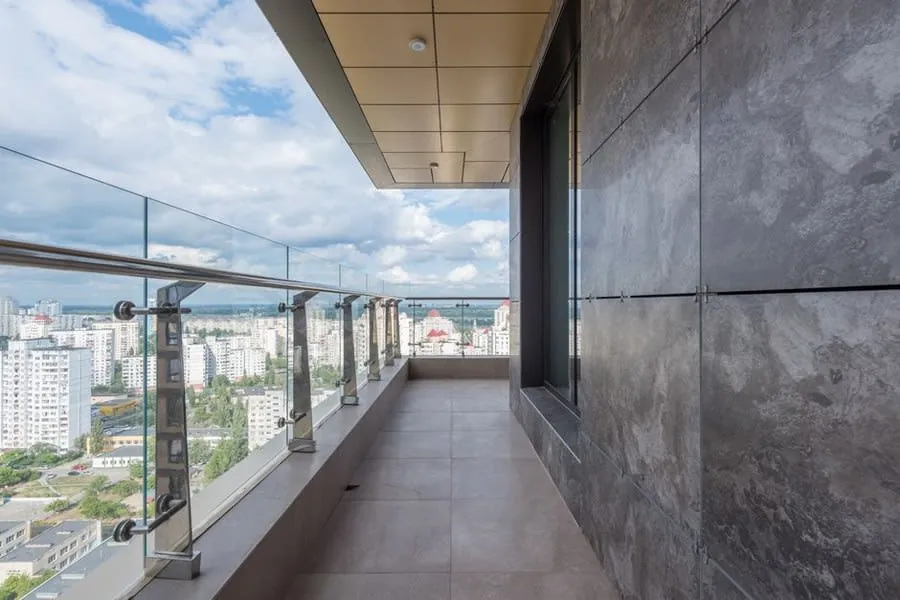
Answer those and the field narrows considerably on its own. A simple rectangle over a kitchen that nobody sets foot on is a different problem from a balcony above a bedroom. A firm with one answer for every roof on the street has stopped diagnosing and started reciting, and that is worth clocking early. Our flat roof repairs page goes into what happens when the wrong call gets made, and it is usually not the material that failed.
EPDM rubber: the default, and the reason it earned that
Rubber is what goes on most domestic flat roofs around here, and the case for it is refreshingly boring.

On a typical extension or garage, the membrane arrives as one piece cut to size. Across the open span of the roof there is nothing to lap and nothing to bond, which removes the thing that historically gave way first. It stays flexible through a cold January and a hot July rather than hardening off over the years, so it moves with the timber underneath it instead of fighting it. And it goes down cold, with adhesive rather than a torch, which on a roof bolted to your kitchen is a meaningful safety difference rather than a talking point.
The drawbacks are real but narrow. It comes in black and that is your lot, so if the roof is overlooked from an upstairs window you may care. It tolerates the occasional footstep for maintenance but is not built for regular traffic. And it costs meaningfully more on the day than felt does.
For a straightforward extension in Worle, a garage in Milton, or any of the thousands of single-storey rear additions built across this town between the sixties and the eighties, rubber is usually the right answer and the reasoning takes about a minute.
GRP fibreglass: two jobs it does distinctly better
Fibreglass is a wet trade. Matting is rolled out, resin is worked into it, and once it goes off you are left with a single rigid skin that has taken the precise contours of everything beneath it.
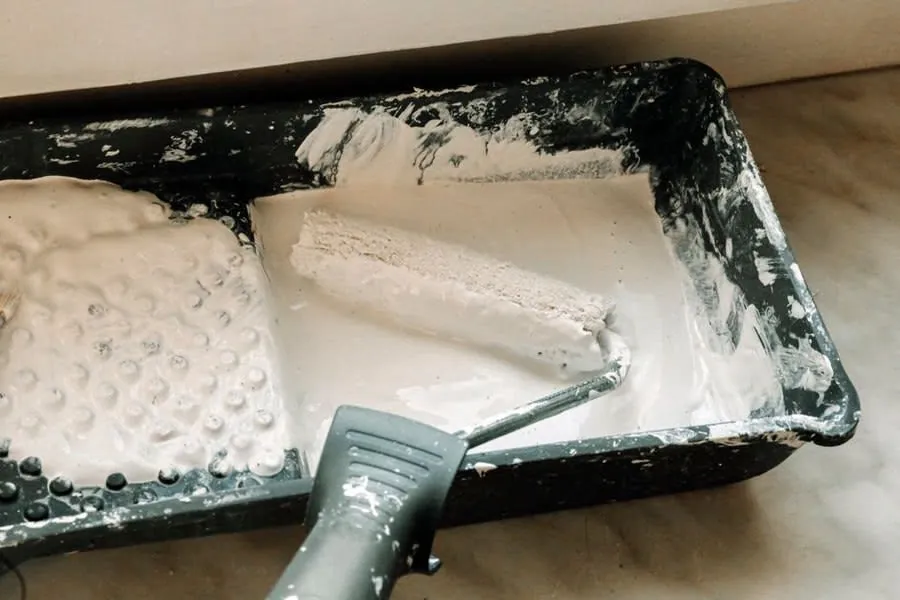
That gives it two genuine advantages. The first is foot traffic. A balcony, a roof terrace, anything somebody crosses twice a year to clean a rooflight, wants a surface that does not mind being stood on. Fibreglass genuinely does not mind. Add a non-slip aggregate to the topcoat and it stays usable when the surface is damp, which on this coast is a fair chunk of the year even without rain.
The second is complexity. Where a roof has upstands at three different heights, a parapet return and an awkward little detail around a soil pipe, a sheet product has to be cut and joined around all of it. A laminate simply flows into those shapes and sets. It also comes in greys rather than black, which matters when the roof is on show.
The trade-off is that curing wants dry timber and a bit of warmth, so the time of year gets a vote. It is also rigid, which means the base underneath must not move. That last point is not a minor caveat, and it leads directly to the section below.
Felt: still worth a hearing on the right building
Felt has a bad name in this town and a good deal of it was fairly earned by the single-layer stuff that went onto garages in the seventies and started blistering a decade later.

Modern torch-on is a different product. It is polymer modified, built up in two or three bonded layers, and topped with a granular cap that absorbs the sunlight which used to cook the bitumen below it. Specified properly it will give fifteen to twenty years without fuss.
Where it makes sense is on buildings whose value does not justify the alternative. A detached garage. A workshop at the bottom of the garden. A store that is coming down in a decade anyway. Spending rubber money on those is worse value, not better, and a roofer who will say so out loud is telling you something useful about how they price everything else.
Where it does not make sense is anything joined to your house. What a failure costs changes entirely. Over a garage you lose some tools and your temper. Over a kitchen you lose plaster, paint, and a fortnight of living around drying equipment. Whatever you saved will not cover it.
The single question that separates a fifteen year felt roof from a six year one is how many layers are in it. Get that written into the quote before you compare it against anything.
What the Bristol Channel does to all three
Here is where local conditions genuinely change the advice, and not in the way most people expect.
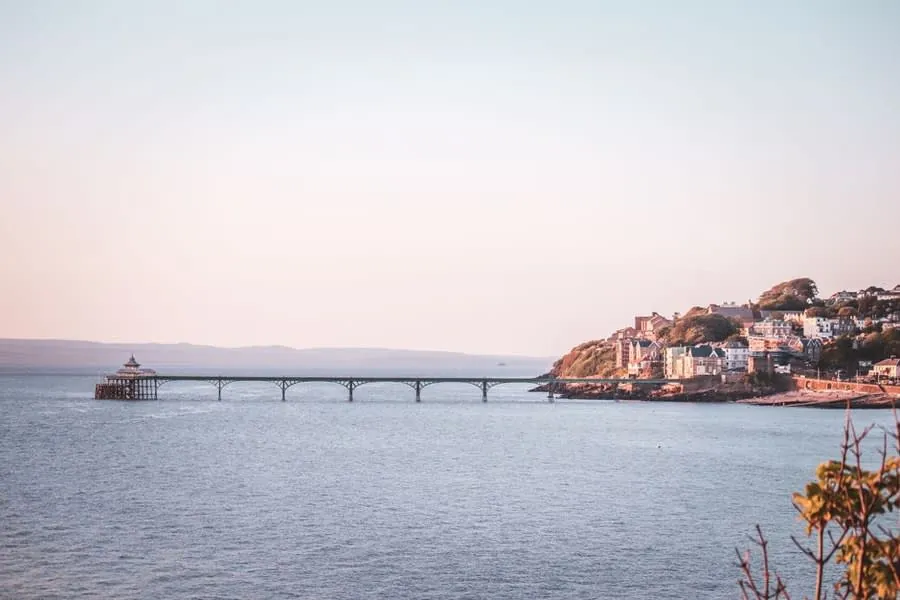
Annual rainfall here sits near 914mm, while the figure for the UK as a whole is closer to 1,163mm. By national standards this is a dry town, and rain is not what brings coverings to an end locally. Two other things do.
The first is wind. The prevailing south-westerly crosses open water and reaches the seafront, Uphill and the exposed ground out at Locking with nothing at all to slow it. Wind does not need much of a lifted edge to begin working a covering loose, and once it has a way underneath it does not lose interest.
The second is salt, and this is the part that gets misunderstood. Salt does not attack rubber, fibreglass or bitumen in any meaningful way. All three are essentially indifferent to it. What salt attacks is metal: the aluminium trim at the perimeter, the fasteners holding it, the fixings on the outlet. The result is a membrane with fifteen good years in it, ringed by metalwork that is steadily giving up. Given that every drop of water departs a flat roof around its perimeter, that is the least helpful place to have a weak point.
The practical upshot is that on a coastal job the specification of the trims and fixings matters more than the argument about which covering to buy. Move away from the coast and the picture inverts. Around Winscombe, or beneath the Mendip scarp at Cheddar, temperatures drop further, and water freezing overnight in a spot it should have drained from does more harm than sea air ever manages.
The deck underneath decides more than the covering
If there is one thing worth taking from this article, it is this. The two variables that actually determine how long your roof lasts are both hidden underneath it.
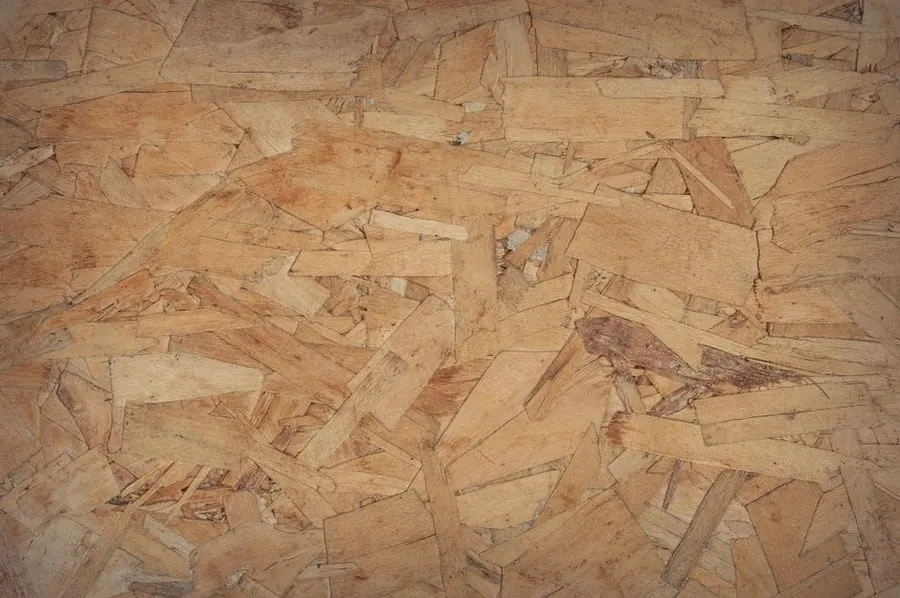
The first is the state of the boards. On the housing stock built around Worle, Milton and Oldmixon between the sixties and the eighties, the deck is frequently chipboard that has been taking on moisture for a very long time without saying so. Lay a fresh covering over the top and you have shut wet boards beneath a watertight skin with nowhere for the moisture to escape to. You have also paid for a long-life product and mounted it on something short-lived.
The second is whether the roof still has a fall. These roofs are built with a slight slope so water runs to an outlet and goes. Decades of settlement flatten a lot of them out, and once the water has nowhere to go it sits there, leaning on every joint, gathering silt, growing moss and eventually blocking the very outlet it needed. Rubber copes with a shallow puddle better than felt does, but “copes better” is not the same as “is fine with it”.
Fibreglass adds a third consideration, since a rigid shell will crack if the base beneath it flexes. That is a deck specification question, decided before any resin appears.
There is one more thing the deck triggers. Renew over a quarter of the surface area and building control treats it as a thermal element being renovated, at which point insulation joins the specification whether you planned on it or not. Those targets sit in Approved Document L, and there is a fuller account in our piece on building regulations and flat roofs, including the council boundary that catches people out around here.
So which one for your roof?
Stripped of the sales talk, it comes out roughly like this.
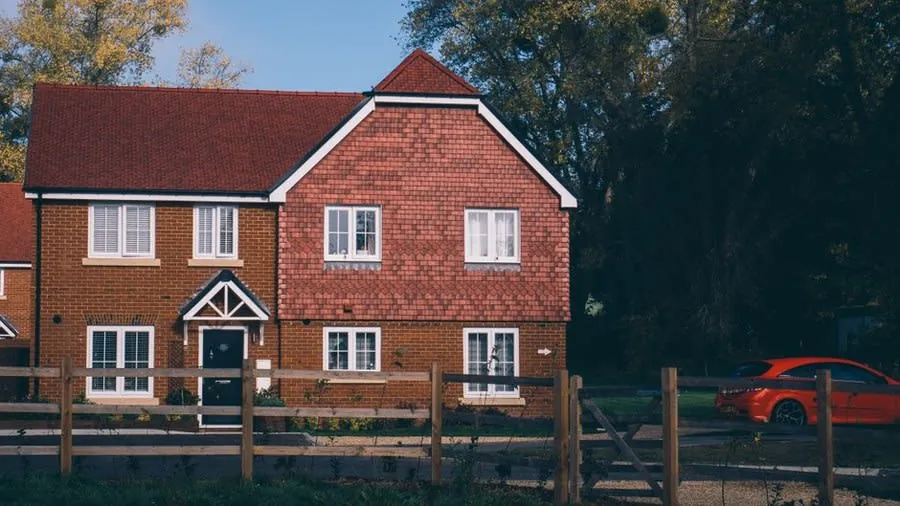
If it is attached to your house and nobody walks on it, rubber, and you will not think about it again for a very long time. If it is a balcony or terrace, or the shape is genuinely complicated, fibreglass earns the difference. If it is a detached outbuilding and the budget is the budget, a proper multi-layer felt is the honest answer rather than the cheap one.
Run the arithmetic across the whole life of the roof rather than the invoice and the ranking usually inverts. A covering that costs a third more and lasts twice as long is the cheaper roof, and it also happens to be the one that never interrupts your winter. That logic breaks down only when the building itself has a short horizon, which is exactly when felt starts making sense again.
Two final points that apply whichever way you go. Ask which specific product is being fitted, by name, and whether it holds a British Board of Agrément certificate - independent assessment of a roofing product is a genuine signal, and it costs nothing to ask. And check what the firm guarantees about its own workmanship, separately from whatever the manufacturer says about the material, because installations are what fail. Bodies like the National Federation of Roofing Contractors exist partly because that line gets muddied so routinely.
Still not sure which your roof wants? That is genuinely what a survey is for, and ours cost nothing. Ask us to come and look at it, free of charge.
Frequently Asked Questions
Which lasts longer, EPDM or GRP?
In practice they are close enough that the difference should not decide your choice. Rubber is commonly quoted at thirty years and up, fibreglass at a similar span. Both figures assume the roof drains properly. On a roof that holds standing water, neither material will get anywhere near its headline number, which is why the fall matters more than the choice between them.
Is a rubber flat roof better than felt?
On anything attached to your house, yes, and it is not a close call. Rubber should comfortably outlast one full felt lifetime and probably closer to two, for somewhere around a third to a half more on the day. On a detached garage or a garden workshop the sums change, and a proper multi-layer torch-on felt is a sensible piece of value engineering.
Can you walk on an EPDM rubber roof?
Occasionally and carefully, yes, for maintenance access. Regularly, no. If the roof is a balcony, a terrace, or anything somebody crosses to reach a rooflight or an aerial, fibreglass is the better answer because it takes foot traffic without needing protective layers over the top of it.
Which flat roof material is best for a coastal house?
All three coverings are effectively immune to salt, because salt attacks metal rather than polymer or bitumen. What matters far more on the Bristol Channel coast is the specification of the trims, fasteners and edge fixings, since those are the parts that corrode and those are the parts that hold the covering down when the wind gets underneath it.
Free Flat Roof Survey
Somebody comes out, walks the roof and tells you what is wrong before mentioning a price. Anywhere across Weston-super-Mare and North Somerset.