
18 August 2026
7 Signs Your Flat Roof Is On Its Way Out (And The Two That Mean Ring Somebody Today)
Puddles, bubbles, moss, mystery stains - what each symptom on a Weston-super-Mare flat roof actually means, ranked from keep-an-eye-on-it to drop-everything.
A flat roof hardly ever fails without warning. It advertises. The trouble is that it advertises in a language most people have never had a reason to learn, on a surface they cannot see from the garden, and by the time the message reaches the ceiling of the room below, it has usually been running for a couple of winters already.
So here is the phrasebook. Seven signs, roughly in the order they tend to appear on the roofs around Weston, with an honest reading of what each one means - because they are not equally serious, and treating them as though they were is how people end up paying for whole roofs they did not need. Five of them are worth a phone call at your convenience. Two mean the convenient window has closed.
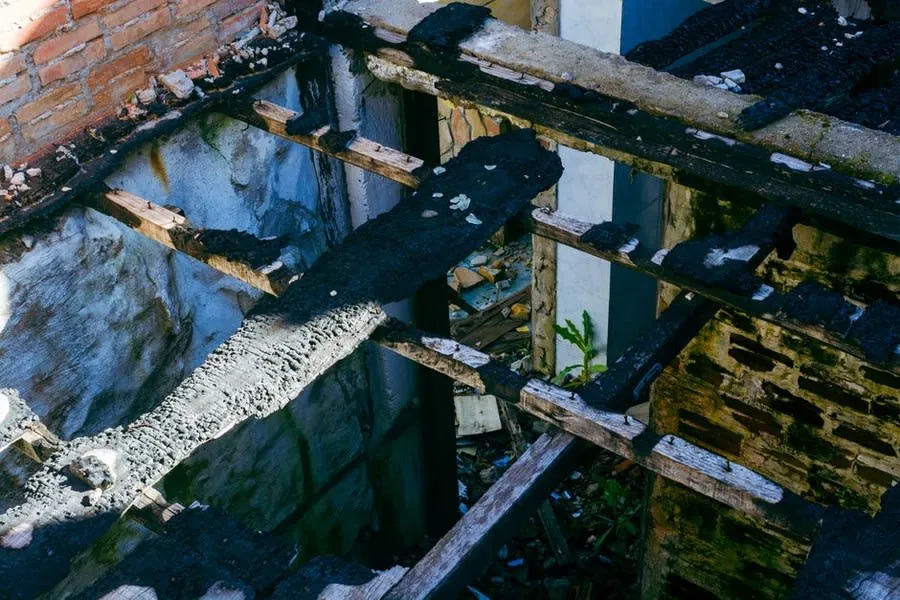
Sign one: a puddle that outstays the rain
Look at the roof from an upstairs window two days after the last shower. Anything still glinting up there is the single most useful piece of information the roof will ever give you.
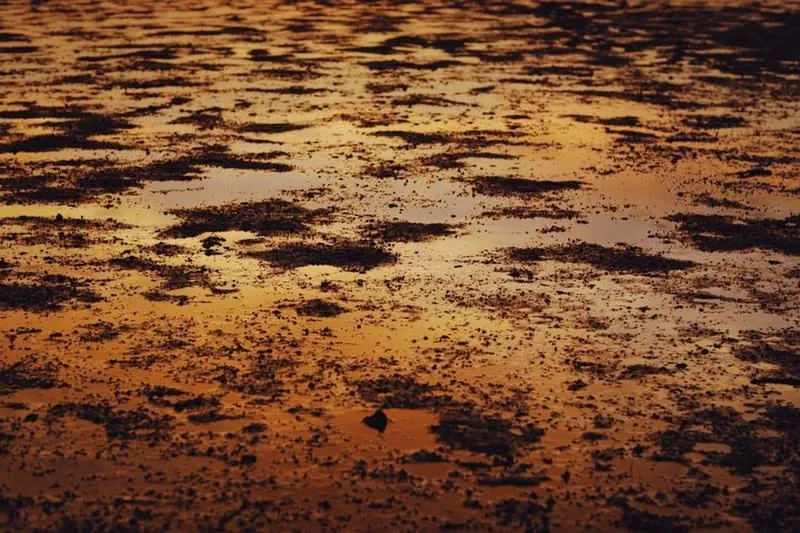
The trade calls it ponding, and what it tells you is that the slope the roof was built with has gone. These roofs were never actually flat - they were built with a gentle gradient so water heads for an outlet - and fifty years of timbers settling has ironed a lot of them out, particularly across the estates in Worle, Milton and Oldmixon where whole streets got their extensions and garages in the same few years.
A puddle is not an emergency. What it is, is a clock. The covering beneath it ages faster than the dry area around it, the wet patch starts hosting its own small nature reserve, and each winter shortens the countdown. Worth knowing: Weston’s annual rainfall comes in near 914mm while the country as a whole averages about 1,163mm, making this one of the drier seaside towns going - the Met Office climate averages are eye-opening on this - so a roof that cannot cope with Weston’s rainfall has something structurally wrong, not something weather-related.
Sign two: bubbles under the surface
Blisters look almost comical, like the roof has developed acne, and people tend to prod them and move on. What they actually record is trapped moisture.
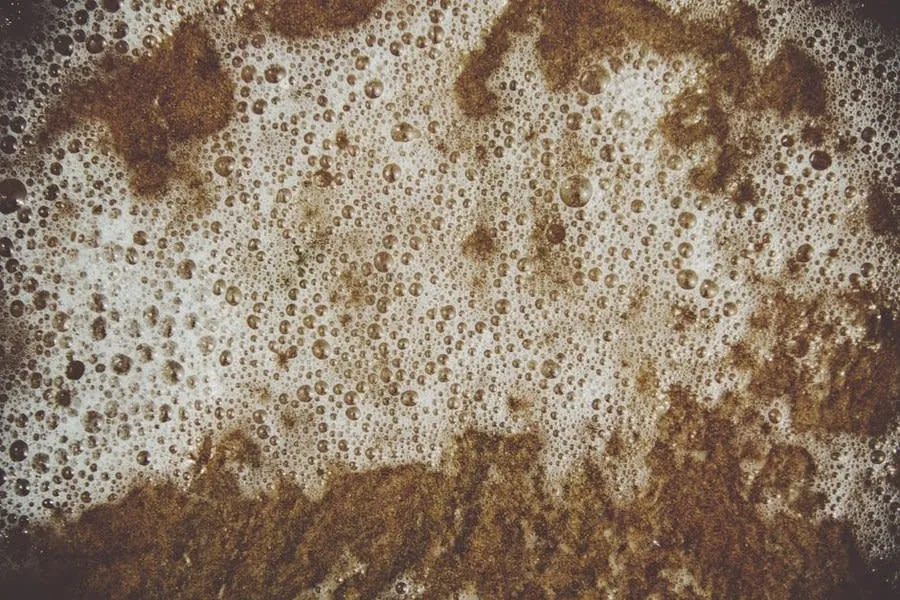
Somewhere along the line, water got between the covering and the deck, or between two layers of a built-up system. Sun warms it, it turns to vapour, expands, and pushes a dome up. Overnight it cools and the dome relaxes. Repeat that cycle a few hundred times a year and the bond holding the covering down gradually lets go across a widening area.
An intact blister is still keeping the rain out, which is why the standard advice is to leave them unpopped. But count them year on year. One that has sat unchanged since 2020 is a curiosity. A crop of new ones each summer means the covering is delaminating, and it is doing so on its own schedule rather than yours. On the felt garage roofs this town is full of, spreading blisters are usually the opening chapter of the story that ends on our flat roof repairs page.
Sign three: fine cracks, especially near the edges
Get close to an old flat roof covering and you will often find a pattern like a dried riverbed - a web of fine surface cracks the trade calls crazing.
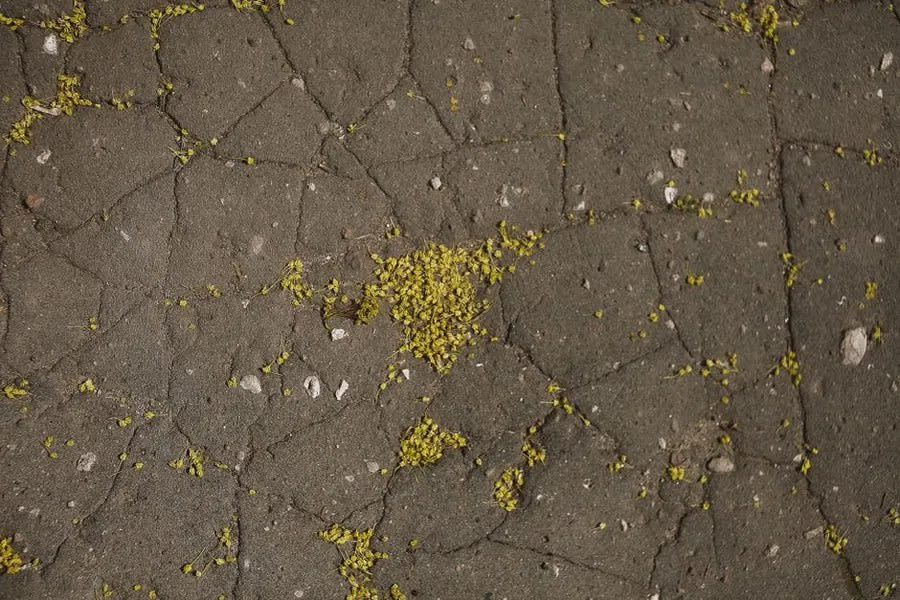
On its own, in the middle of the roof, crazing is age rather than crisis: the surface has oxidised and hardened, and it has lost the flexibility it was fitted with. The place it stops being cosmetic is where the covering has to work - where it turns up a wall, wraps an edge trim, or dresses around an outlet. Material that has gone brittle cannot keep making those bends as the roof expands and contracts, and a crack that opens at an upstand is not a texture, it is a door.
There is a coastal accent to this one. The covering itself does not much care about sea air, but the metal trims and fixings at those same edges do, and on the frontages at Uphill and along the seafront we regularly find brittle covering and corroding edge metal at the same corners - the two ageing processes teaming up at exactly the point the roof can least afford it.
Sign four: greenery where there should be none
Moss on a flat roof is not really a plant problem. It is a drainage report written in vegetation.
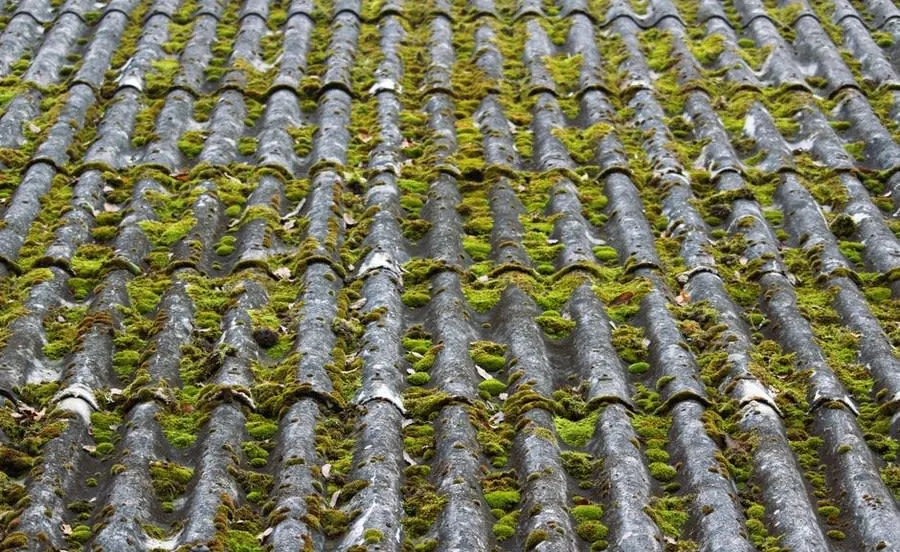
Moss only settles where a surface stays damp long enough to support it, so a green patch is a map of exactly where your roof is holding water. Once established it makes everything worse in both directions: it holds moisture against the covering like a wet sponge that never gets wrung out, and it sheds debris downhill into the outlet, which slows the drainage that was already struggling. Under the trees at Hutton, around Congresbury, and along the wooded lanes towards Winscombe, this cycle runs faster than the coast because leaf litter joins in.
The fix, pleasingly, is often the cheapest thing on this list - clear the growth, clear the outlet, and find out why that area was staying wet in the first place. Ignore it for a few more years and you are back at sign one, with interest.
Signs five and six: what the ceiling underneath knows
The roof hides its symptoms; the room below eventually publishes them. Two different messages appear on ceilings, and they mean very different things.
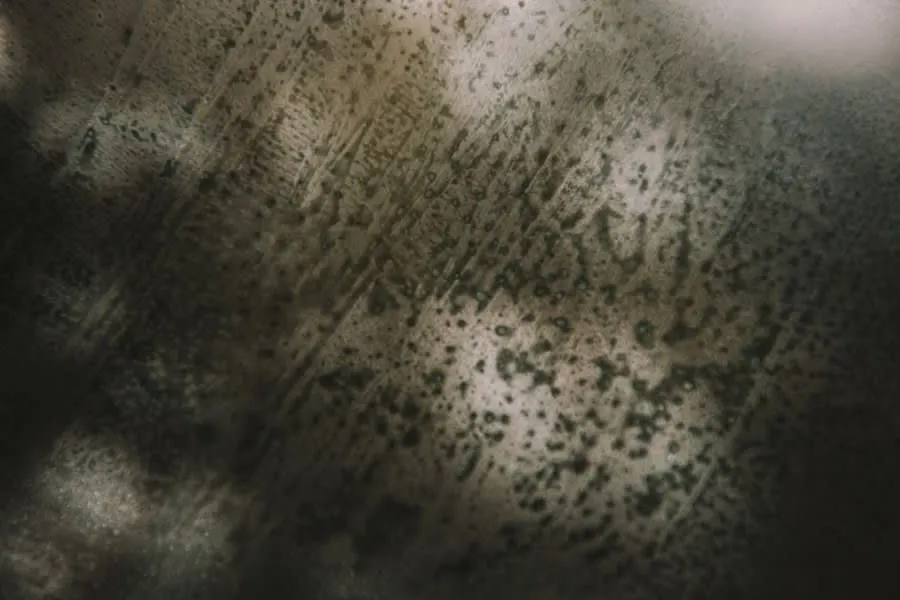
The first is a defined stain - a ring or a patch with edges, often tea-coloured, that darkens after rain. That is water finding a route through, and one detail matters enormously: the hole is very unlikely to be directly above the mark. Water lands on the deck and travels, sometimes metres, before it finds a joint to drop through. Repairs aimed at the stain rather than the entry point are how the same leak gets fixed twice and survives both times.
The second message is vaguer: a ceiling that feels clammy, spots of black mould gathering in corners, a musty note when the door has been shut - and, crucially, all of it worse in February and mysteriously better by June. That seasonal rhythm points away from a hole entirely and towards condensation forming inside a cold-deck roof, which is a construction problem, not a puncture. We wrote a whole piece on telling condensation from a genuine leak, because the wrong diagnosis here wastes more money than any other mistake in this trade.
Sign seven, and the two that mean today: bounce and drip
Here is the line between “book a survey” and “ring while you are looking at it”.
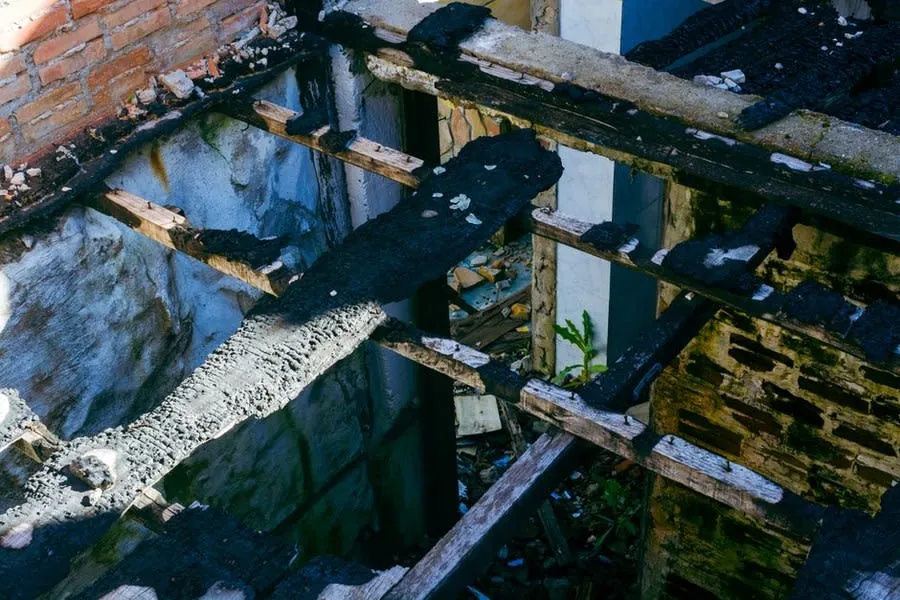
A flat roof that flexes when weight goes on it - a definite give underfoot, or visible sagging between the joists when you sight along it from a window - has moved past covering problems into structural ones. The boards beneath the surface have been wet long enough to soften, and a soft deck holds the covering, the next repair, and occasionally the person standing on it, badly. This is also the reason to be genuinely cautious about walking a suspect roof yourself: falls through fragile surfaces are a fixture in the Health and Safety Executive’s roof work guidance for grim reasons. Inspect from the ladder or the window and leave the walking to people who are paid for it.
The other today-sign is the obvious one: water actively arriving in the house. Not a historic stain - a drip you can watch. Every hour it runs adds plasterboard, insulation and occasionally electrics to the eventual bill, so the first phone call is about stopping it spreading and the diagnosis comes second.
And a word on who turns up after storms. When a big south-westerly has been through, vans tour the affected streets offering while-we’re-in-the-area roof checks. A few are legitimate. Enough are not that Citizens Advice maintains standing guidance on doorstep traders, and our blanket suggestion is simpler: nothing about a roof gets agreed at a front door. If the storm has you worried, ring somebody you chose.
What all seven have in common
Every sign on this list is cheap to investigate and expensive to ignore, and the gap between those two numbers widens every winter the question goes unanswered.
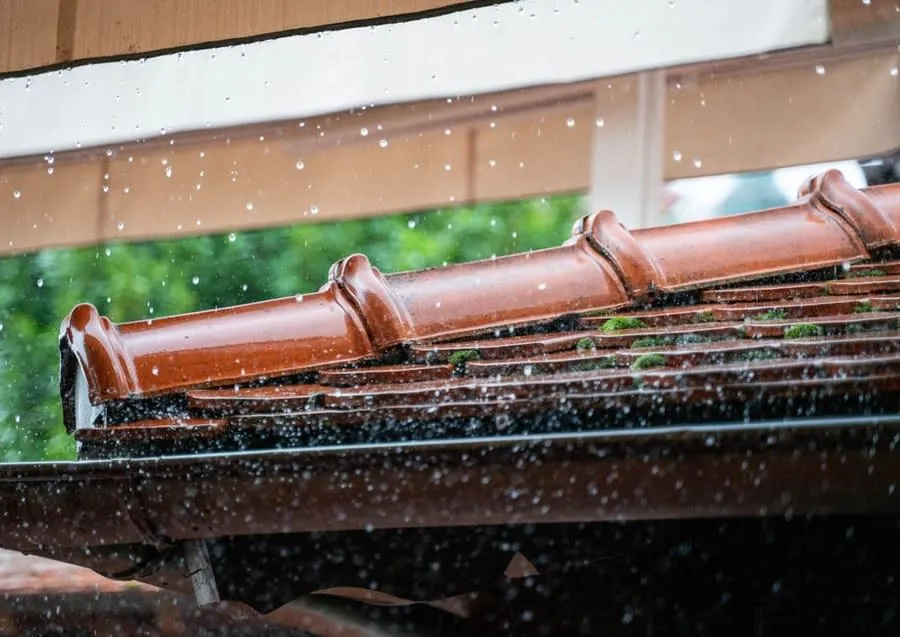
The pattern across the jobs we survey around Weston is consistent enough to be worth stating: roughly two roofs in three showing one or two of these symptoms turn out to be repairable for hundreds rather than thousands, because somebody looked while the fault was still local. The roofs that need everything - deck, insulation, covering - are nearly always the ones where the first sign appeared three or four years before the first phone call.
A survey is free, takes half an hour, and comes with no script attached - when a roof genuinely has years left in it, hearing so is the whole point of asking. Tell us what yours is doing, and one of us - Charlie, Ricky or James - will come and read it properly.
Frequently Asked Questions
How do I know when a flat roof needs replacing rather than repairing?
Count the symptoms and watch where they appear. One fault in one place, on a covering that is otherwise sound, is a repair. Faults turning up somewhere different each winter, several old patches, and a surface that gives slightly underfoot are a covering announcing its retirement, and further patching just spreads the same spend over more call-outs.
Is a puddle on a flat roof serious?
Water still sitting there two days after the rain has stopped means the roof is no longer draining, and everything else follows from that. The surface it sits on wears out early, the area under it stays permanently damp, and the outlet slowly silts up. It rarely needs fixing this week, but it decides when the roof fails, so it belongs on your radar rather than your ignore list.
Why does my flat roof only leak in windy weather?
Because the fault is at an edge or an upstand being driven at sideways rather than rained on from above. Around the seafront, Uphill and the open ground at Locking this is one of the most common patterns we see - calm rain does nothing, then a south-westerly blow off the Channel puts water somewhere it has never appeared before.
Should I go up and inspect my own flat roof?
From a ladder at the edge, or from an upstairs window, yes - most of the signs on this list are visible without setting foot on the roof. Actually walking a suspect flat roof is a different matter, because the deck under a tired covering can be soft, and falls through fragile roofs injure people every year. If the surface needs walking to inspect, that is our job rather than yours.
Free Flat Roof Survey
Somebody comes out, walks the roof and tells you what is wrong before mentioning a price. Anywhere across Weston-super-Mare and North Somerset.