
27 August 2026
What A Flat Roof Really Costs In Weston-super-Mare: One Quote, Line By Line
Three quotes, hundreds of pounds apart, same garage. Here is where the money on a Weston-super-Mare flat roof actually goes, line by line, including the bits nobody itemises.
Three quotes land for the same garage roof: £1,350, £1,900 and £2,240. Same roof, same week, same three-page description of a leak over the up-and-over door. Most people read the bottom line, wince at the top one and quietly assume somebody is having them on.
Usually nobody is. The spread on a single-garage flat roof in Weston runs from around £900 for torch-on felt to £3,200 for fibreglass, and that is not because some firms are greedy - it is because those numbers buy different roofs. The trouble is that a quote arrives as one figure, and one figure hides everything worth knowing.
So here is a typical £2,100 garage job taken apart. Not our full price list - the flat roof cost page has the ranges by job type - but where the money in one of those quotes actually sits, and which lines get left off when a price looks too good.
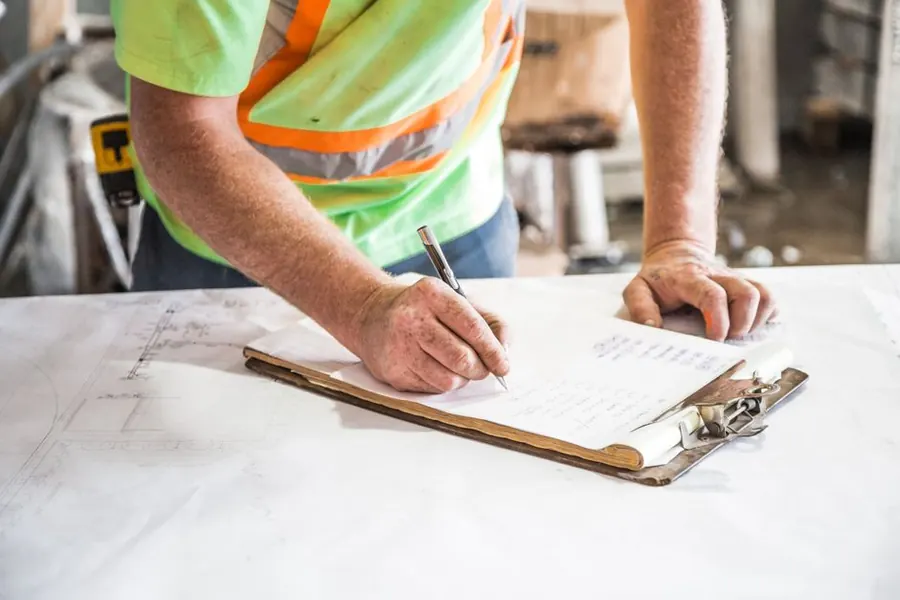
Two quotes for the same Ashcombe garage, £900 apart
The garage in question is a 1930s brick single, 16 square metres, three layers of old felt and a chipboard deck that had been rained on for a decade. Quote A was £1,350 and described “supply and lay new torch-on felt system”. Quote B was £2,240 and described stripping to the joists, a new 18mm deck, 100mm of insulation, new aluminium trim and an EPDM sheet.

Both are honest descriptions of real work. They are just answers to different questions. Quote A answers “how cheaply can this stop leaking”. Quote B answers “how long can this roof last”. Neither firm did anything wrong, and the homeowner comparing the totals had no way of knowing they were choosing between two decades and five years.
Which is the most useful thing to know about flat roof pricing generally. The covering is the smallest variable in it. What sits under the covering decides nearly everything else.
A £2,100 garage roof, broken into its parts
Take the middle quote and split it. Roughly: £620 of labour, two men for a day and a half. £300 for the new deck, boards and fixings. £340 for insulation. £410 for the membrane, adhesive and primer. £180 for trims, drip edge and an outlet. £160 for the strip-out and tip run. £90 for sundries, gas, blades, sealant, the odd length of timber nobody planned for.
That comes to a shade over £2,100 and it includes no profit worth the name, which is where the honest bit of the conversation sits. Every firm adds a margin, and a fair one on a job this size is a couple of hundred pounds. What you are looking for is not a quote with no margin in it - that firm will not be around to honour a guarantee - but a quote where the material lines look plausible for the roof described.
The tell is the ratio. On a proper strip-and-rebuild, labour is rarely more than a third of the total.
So if labour is most of the price and materials come to a couple of hundred pounds, very little new is going onto your roof. That is worth knowing before you sign, not after.
The strip-out: why the tip run gets its own line
Old felt is heavier than it looks. Three layers plus mineral chippings off a 16 square metre garage is comfortably half a tonne, and a wet chipboard deck on top of that takes you past a tonne before you have touched the joists.
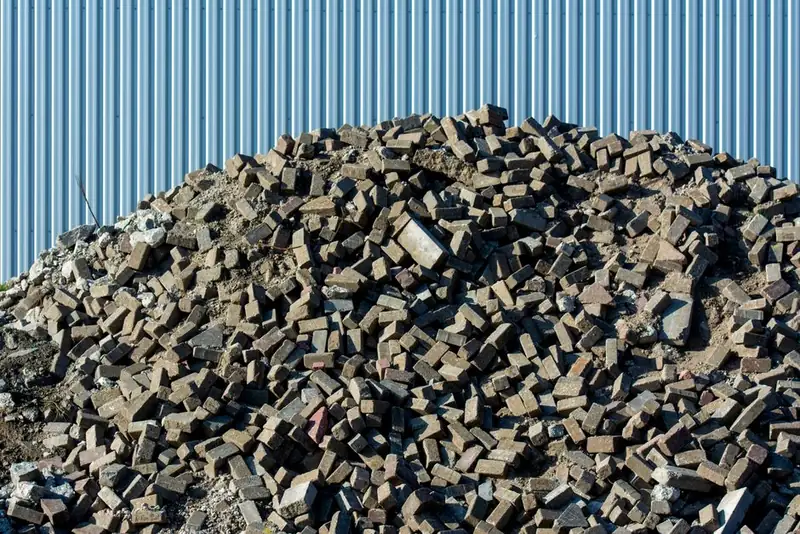
None of it can be recycled, so it goes as standard-rated waste, and standard-rated waste is taxed at £130.75 a tonne under Landfill Tax from April 2026. Add the transfer station’s own gate fee and the van time to get out to it, and £120 to £200 of a garage-roof quote is disposal before a single new board goes down.
So when somebody suggests going over the top of what is there, it is not automatically a dodge - on a sound deck it can be the right call. It is also why a suspiciously cheap quote and a suspiciously tidy driveway sometimes go together. Ask where the old roof is going, and if the answer is vague, ask again.
Insulation: the line that separates a re-cover from a rebuild
Insulation on a flat roof runs somewhere around £45 to £80 per square metre fitted, depending on the thickness the roof needs and whether the boards are tapered. On our 16 square metre garage that is £700 to £1,300 - which is to say it can be a third of the whole job.
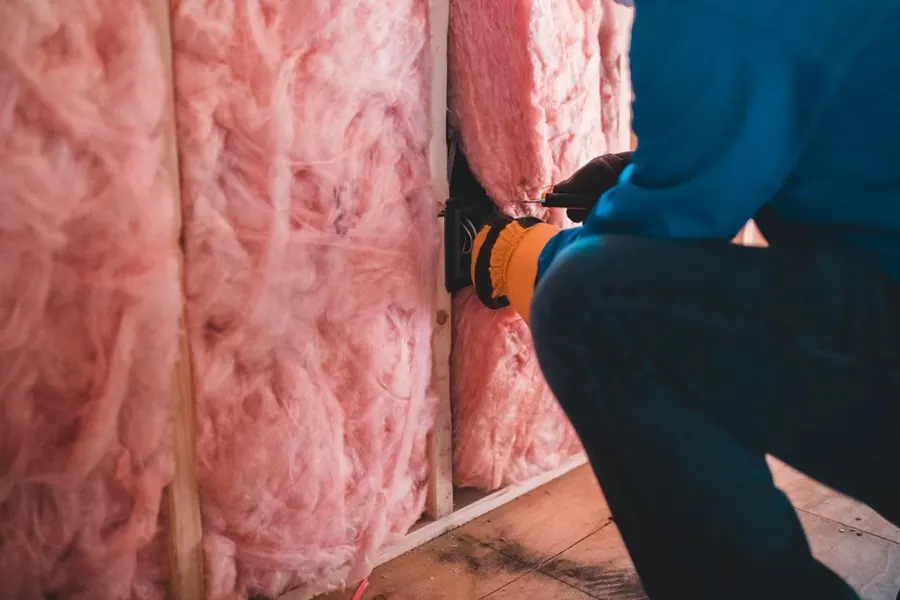
You will therefore find it missing from cheaper quotes, sometimes with a line about the roof being “unheated so it doesn’t apply”. On a genuinely cold garage with no room below and nothing but a car under it, that can be right. On a garage converted to a utility room, a flat-roofed kitchen extension, or anything with a ceiling and a radiator under it, it is not right, and building control will have a view. Our post on warm roofs and cold roofs goes through which is which.
The cost consequence is blunt. Two quotes that differ by a thousand pounds on a small roof are usually a quote with insulation and a quote without.
Getting to the roof, which costs more than people expect
A garage roof you can step onto off a ladder adds nothing. A first-floor extension roof over a back garden with a side gate 700mm wide is a different job entirely.
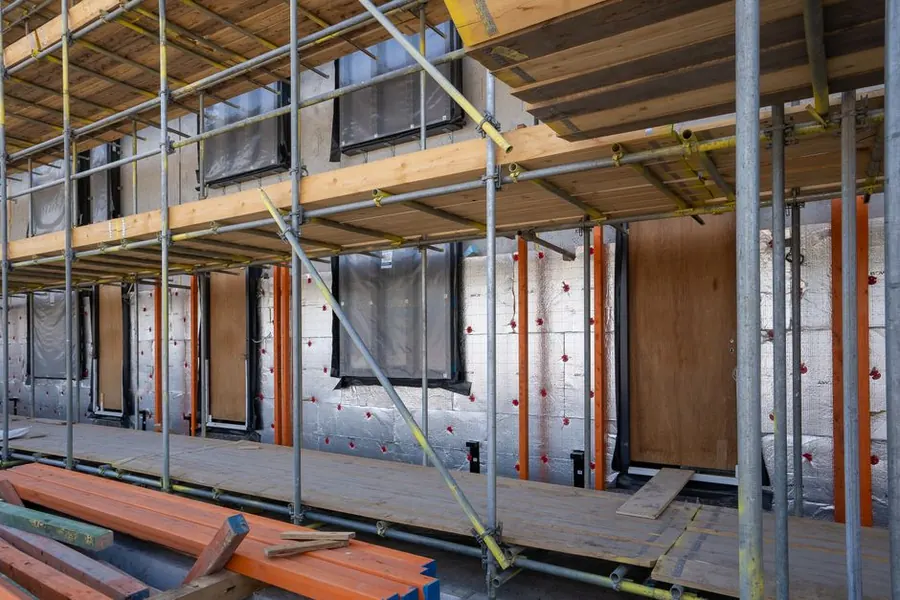
Scaffold or a tower has to be priced, delivered, erected, hired for the duration and taken away, and on a small roof that can be £400 to £900 on its own - potentially a quarter of the total for a job where the roofing itself is two days. Terraced streets around Ellenborough Park and the town centre make it worse, because there is often no side access at all and everything comes through the house or over next door’s garden with their permission.
If two quotes differ and one is a firm you have never seen a scaffold tower on, this is worth asking about directly. A ladder-and-hope approach to a first-floor roof is cheaper right up until it is not.
Why one of your quotes has no VAT on it
This one confuses people more than anything else on the list. A business only has to register for VAT once its taxable turnover passes the £90,000 threshold HMRC sets. A one-man band doing garage roofs and gutter work around Worle may sit under that, quite legitimately, and charge you nothing on top.

So a £1,800 quote with no VAT and a £2,000 quote plus VAT at £2,400 are not £600 apart on the work. They are £200 apart on the work and £400 apart on tax. Compare like with like by working out the inclusive figure for each, and if a quote does not say either way, ask - it is a fair question and any decent firm answers it in one line.
It also cuts the other way. A firm above the threshold is doing enough work to be above the threshold, which tells you something about whether they will still be trading when you need them.
What Weston adds to the bill that Wells does not
Most of a flat roof costs the same wherever you are in Somerset. Two things here do not.
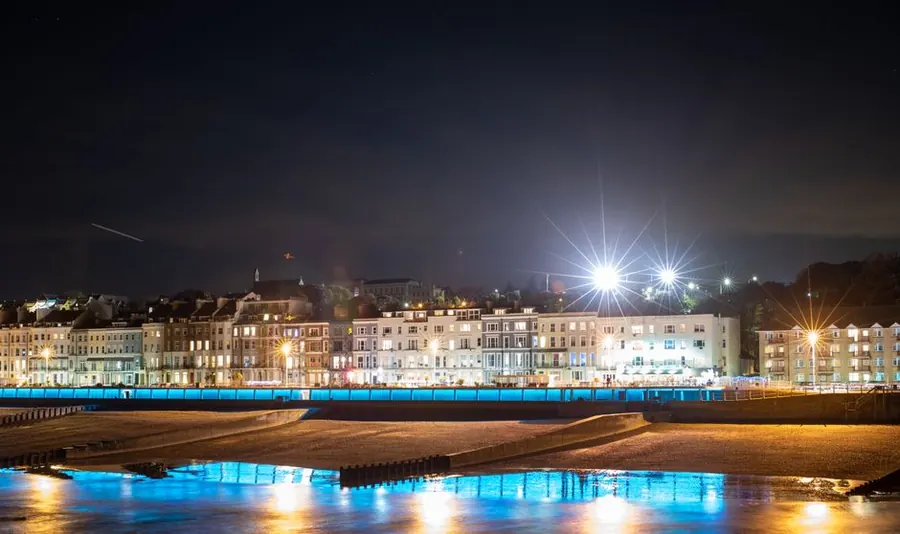
The first is exposure. Roofs facing the Channel at Kewstoke, Sand Bay and along the seafront take wind loads that a sheltered roof in Winscombe never sees, and the answer is more fixings, a fully bonded finish rather than the cheapest partial bond, and better trim. That is tens of pounds per square metre, not hundreds, but it is real and it is the difference between a roof that stays put in a February south-westerly and one that peels at a corner.
The second is what the salt air does to metal. Standard steel fixings and cheap trim have a shorter life within a mile or so of the water, so the sensible spec is aluminium and stainless. On a garage that adds perhaps £60. On a large commercial roof at the Winterstoke end of town it is a line worth reading properly.
The three numbers worth asking every quoter for
Not “is this your best price”. Ask these instead.

First, the price per square metre of the finished roof. Divide the total by the area and compare across your three quotes. It normalises the size out of the conversation and makes the gap obvious.
Second, what happens if the deck is worse than expected. A good answer is a stated rate - a price per board, or a day rate for extra structural work - agreed before anybody starts. A bad answer is a shrug, because that is where quotes turn into invoices you did not expect.
Third, the payment schedule in writing. TrustMark’s guidance for homeowners is three quotes, a written contract and paying for work that has been done - which is exactly right, and worth holding a small firm to as much as a large one. There is more on separating a good quote from a plausible one in our guide to choosing a flat roofing company here in Weston.
We will come and measure, tell you which of the three roofs above yours actually needs, and put the figure in writing with the deck assumption spelled out. Ask us for a quote on your flat roof.
Frequently Asked Questions
Why are my three flat roof quotes hundreds of pounds apart?
Nearly always because they are not quoting the same job. One is bonding a new layer over what is already there, one is stripping back to the joists, one has priced insulation and the others have not. Before you compare the totals, check the covering, the deck and whether insulation appears anywhere. Once all three describe the same work, the spread between honest local firms usually narrows to something like ten or fifteen per cent.
Should I take the cheapest flat roof quote?
Only once you know why it is the cheapest. Sometimes the answer is fine - a smaller firm with lower overheads, or someone with a gap in the diary next week. Sometimes it is a torch-on overlay on a deck that needed replacing, which buys you four or five years instead of twenty. Ask what the price assumes about the deck, and what happens to the figure if that assumption turns out to be wrong.
Is a deposit normal on a flat roofing job?
A deposit covering ordered materials is reasonable on anything bigger than a repair, because insulation and membrane are cut to your roof and cannot be sent back. What is not reasonable is most of the money up front. On a garage or extension roof the work is done in two or three days, so there is no cash-flow argument for paying the bulk before anybody arrives.
Does a flat roof cost more in Weston-super-Mare than further inland?
Slightly, on some roofs. Exposure near the seafront and out towards Kewstoke means more mechanical fixings or a fully bonded finish rather than the cheapest fixing pattern, and salt-laden air rules out the budget end of the trim and fixing range. On a sheltered roof in Locking Castle or Banwell none of that applies and the price is the same as anywhere in Somerset.
Free Flat Roof Survey
Somebody comes out, walks the roof and tells you what is wrong before mentioning a price. Anywhere across Weston-super-Mare and North Somerset.