
4 October 2026
Flat Roofing In Clevedon: Hillside Villas, Estate Garages, Shop Roofs And What Each Costs
A practical guide to flat roofing in Clevedon - period bays and balconies, rear additions, postwar garages and Kenn Road units, North Somerset planning rules, prices and picking a roofer.
Clevedon is about 25 minutes up the M5 from our yard in Weston, and it is a strange town to roof. One morning we are on a three-storey villa that was up before the pier was finished, redressing lead on a bay top. That afternoon we might be stripping three layers of felt off a 1970s garage two miles inland. Both jobs count as flat roofing and they hardly overlap at all.
So this isn’t a general explainer on membranes. It covers which flat roofs Clevedon has, what the estuary does to them, how North Somerset Council’s planning rules affect them, what the work tends to cost, and how to judge whoever you get in to quote.
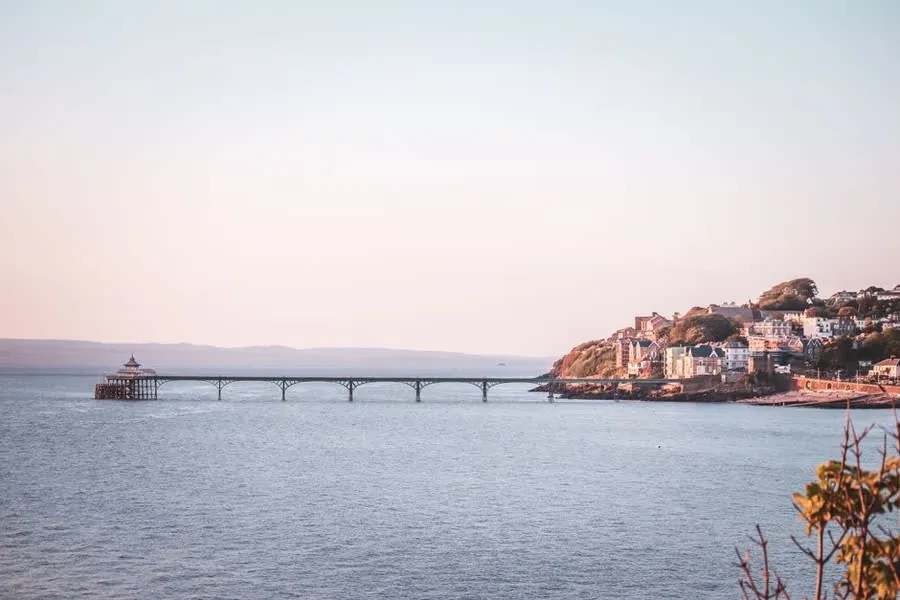
Where Clevedon’s flat roofs actually are
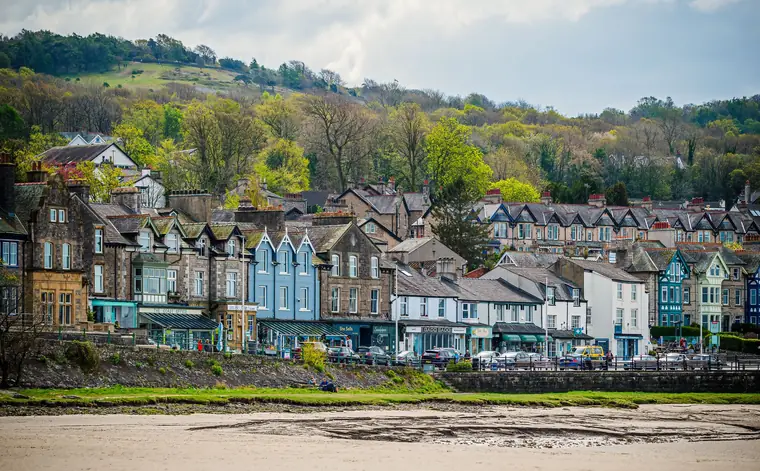
Most of the town went up in the Victorian building boom, after the railway made it a resort for Bristol money, and those builders put flat sections on almost everything. Bay windows were topped with lead. Porches carried balconies. Rear wings had parapets with little valley gutters hidden behind them. Plenty of that work is still in place on Hill Road, Highdale Road and the streets climbing towards Dial Hill, and a lot of it is older than anyone living in the house.
Repairing those roofs is closer to restoration than replacement. Usually the lead is fine and the trouble is a single fixing, a split at a welt or a parapet outlet blocked with moss. The right fix is small and has to match what is already there. Where a deck has rotted and a balcony does need renewing, we tend to use GRP fibreglass roofing, because it takes foot traffic and can be formed to the original profile.
Inland it is a different town. East Clevedon and the edges towards the motorway are mostly 20th-century housing, which brings the usual flat-roofed garages, link roofs and the odd flat-topped dormer. Our Clevedon area page covers the town as a whole, so this post stays on the roofs.
Rear additions and modern extensions behind the villas
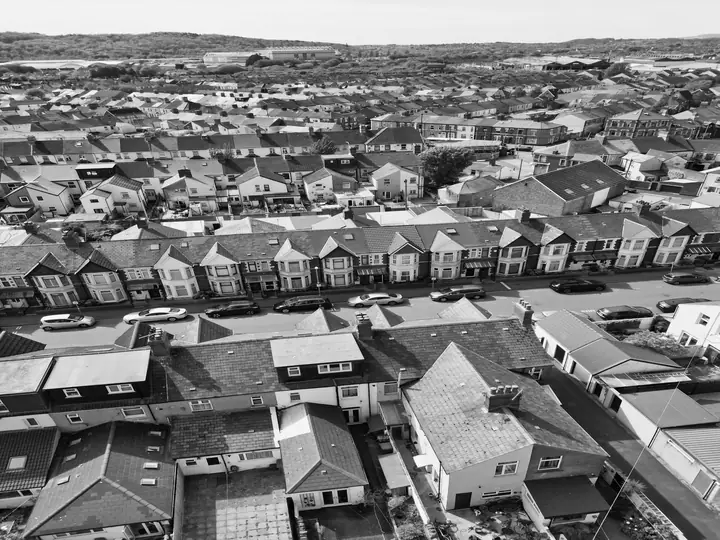
Walk round the back of a lot of Clevedon terraces and you will find the house has grown. There is usually a two-storey outrigger, then a single-storey kitchen added in the 1980s, then possibly a utility room bolted on after that. Each one tends to have its own flat roof, put on at a different time by a different builder.
Those junctions are where we find most of the leaks. A 1980s felt roof that butts up to a 1990s extension, with a strip of flashing tape holding the two together, will eventually fail. The answer is often to re-cover the whole run as one roof rather than patching each section separately, so that only one detail at the wall has to work.
Newer kitchen extensions need less fuss. A single EPDM sheet on a properly insulated deck, laid to a fall that actually reaches the outlet, is a sound choice for most of them. The design questions are usually about rooflights and drainage, not the membrane.
The estuary, the hills and the salt
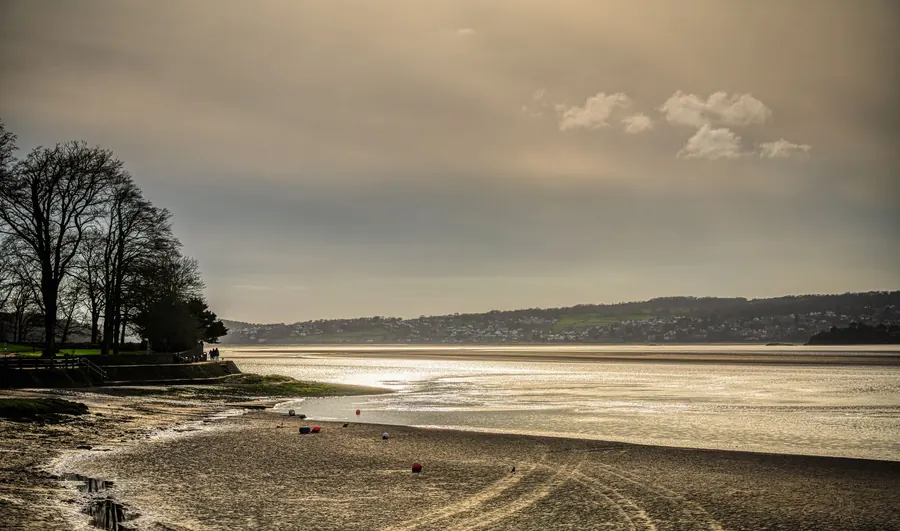
Our earlier piece on what storm winds do to flat roofs explains how wind lifts membranes. In Clevedon the slower damage is a bigger worry. The Severn estuary has one of the largest tidal ranges anywhere in the world, so at low water there is a huge area of wet mud and spray, and the south-westerlies carry salt from it well inland.
Salt goes for metal first. Membranes shrug it off; fixings don’t. Galvanised nails in a timber fascia go rusty and lose their grip. Cheap aluminium trim pits. Steel straps under a balcony deck rust and expand until they crack the render around them. Near the water we use stainless fixings and marine-grade edge metal as standard. It adds a little to the price. On a seafront house we wouldn’t do it any other way.
Clevedon also has height. Weston is fairly flat behind the beach, but Clevedon climbs. A villa near the top of Church Hill or above Ladye Bay takes wind earlier than the houses below it, and gets it from more than one direction as the air rolls over the ridges. On those houses we use tighter perimeter fixings and higher upstands than the standard detail asks for.
Planning: the conservation area, Article 4 and listed buildings
Clevedon is one of the North Somerset towns where planning really does affect roofing. A large part of the Victorian town sits inside a conservation area, and North Somerset Council has put several Article 4 directions on parts of it, including two covering the Triangle. An Article 4 direction removes some of the permitted development rights a homeowner would normally have, so changes you could make freely elsewhere need an application here. The council lists every direction on its Article 4 directions page. It is worth reading the one for your street, because each covers its own list of works.
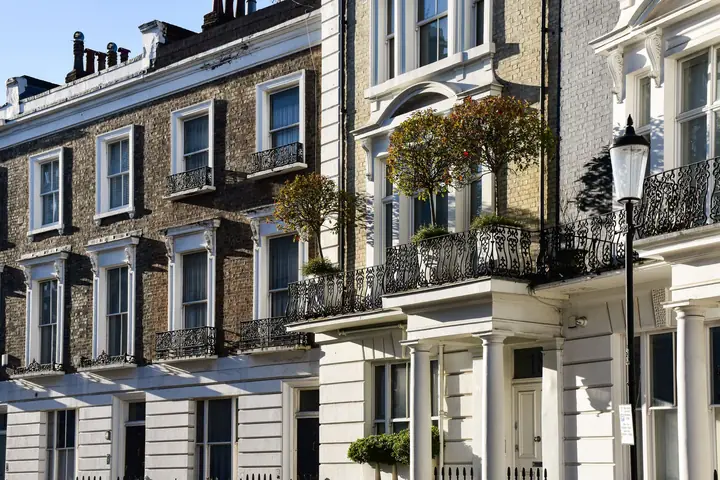
For most flat roof work the practical position is fairly simple. Replacing a rear garage or extension roof with something similar looking normally needs no consent. Changing what people see from the street, such as swapping lead on a front bay for a different material, or adding chunky modern trims to a Victorian balcony, is where a conservation area check matters. Building a new balcony or roof terrace on an existing flat roof needs planning permission almost anywhere, conservation area or not.
Listed buildings are stricter again. The pier is Grade I, and dozens of Clevedon houses and villas are listed too. On a listed building, alterations that affect its character can need listed building consent even when you would call them repairs. If you are not sure about your house, Historic England’s National Heritage List lets you search by address. We check before we quote, so the question is answered before anyone puts up scaffold.
Shops, flats over shops and the Kenn Road units
Commercial roofing in Clevedon is split between two quite different areas. In the town there are the shopping streets on Hill Road, at the Triangle and along Old Church Road, where a shop often has a flat rear roof, a flat over it and a landlord who wants the work done without shutting the business. Out by the motorway, the business parks off Kenn Road, such as Yeo Bank, Westfield and Clevedon Business Park, have units with large flat or low-pitch areas, rooflights and long gutter runs.
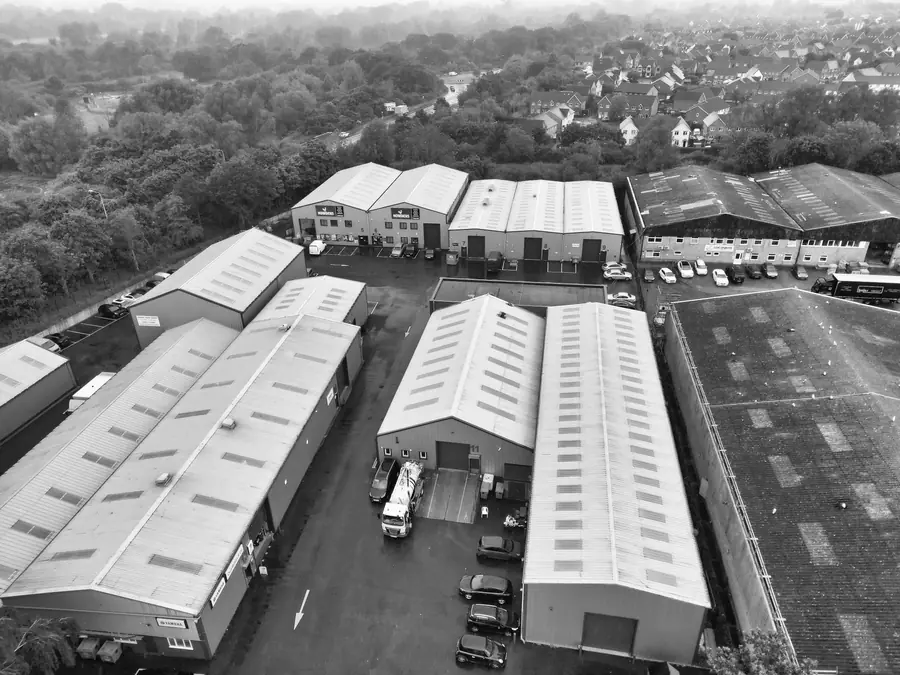
The shop roofs are mostly about access and timing. There is often no rear access at all, so materials come through the shop or over the roof next door, and we work early or on closing days. The business park roofs are about scale and drainage. A blocked internal gutter on a unit roof can push water into stock, so a planned clear and inspection costs much less than an emergency call-out. See our commercial flat roofing page for how we usually phase those jobs.
What a flat roof costs in Clevedon
Modern houses cost the same here as anywhere else we work in North Somerset. A single garage in EPDM rubber typically comes to £1,400 to £2,600. A rubber roof on a rear extension runs £2,200 to £4,000, and a flat-topped dormer £950 to £2,200. Smaller jobs, like a single localised repair, start at around £180.
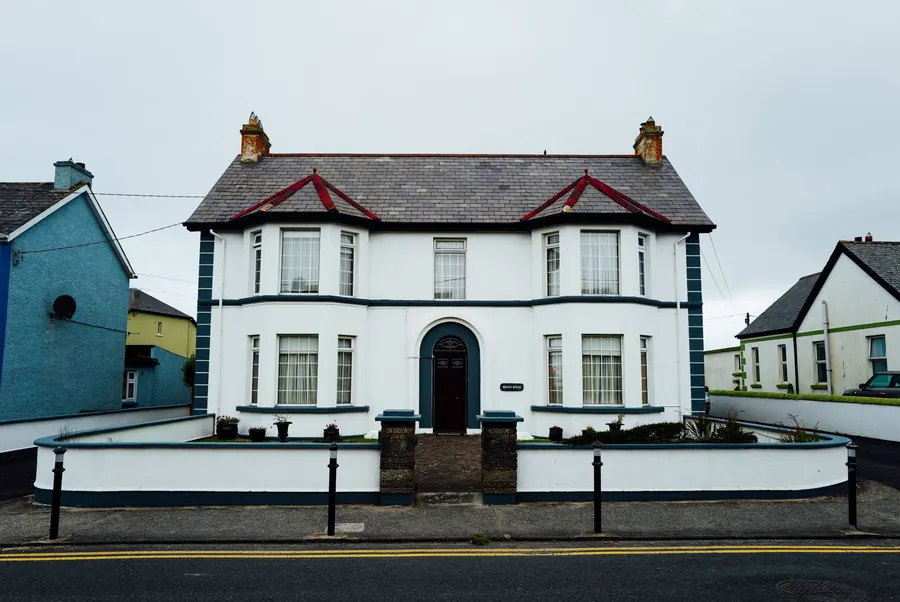
The period houses are harder to price from a description. A villa balcony or bay top usually comes out between £1,500 and £4,500, but we only know where in that range once the old covering is open and we can see the timbers. Access matters more here than in most towns: three storeys of scaffold on a hillside plot, with no side passage and a steep front garden, can add as much as the roofing materials. For a line-by-line look at what goes into a quote, our breakdown of a typical flat roof price uses a real garage job as the example.
Commercial single ply is priced per square metre, usually £70 to £120 before access, and on large unit roofs the drainage and edge detailing make a real difference to that figure.
Choosing a roofer for a Clevedon roof
The general advice still applies: get it in writing, check the insurance, and be wary of anyone who wants paying before the materials arrive. Clevedon adds a few points of its own. Ask anyone quoting for a period roof whether they have worked with lead, and what they would do about a parapet gutter, because a firm that only lays rubber will try to make every roof a rubber roof. Ask whether they have looked up your planning position or are expecting you to do it.
It also helps when quotes describe the same work. If one roofer prices stainless fixings and new trims and another leaves them out, the cheaper quote is for a lesser roof, not a better deal. The government-endorsed TrustMark scheme is one way to find tradespeople who have been vetted, and whoever you choose should be happy to show you a finished job nearby.
We work right across Clevedon, from the seafront villas to the business parks, and the survey and quote are free. Book a free flat roof survey in Clevedon and we will tell you plainly what your roof needs, what it doesn’t, and whether the council needs to be involved.
Frequently Asked Questions
Do I need planning permission to replace a flat roof in Clevedon?
Usually not, if you are swapping one covering for another of similar appearance on a house that is not listed. It changes when the work alters how the building looks from the street inside Clevedon's conservation area, when the property is covered by one of North Somerset Council's Article 4 directions, or when the building is listed, in which case listed building consent can be needed even for work you would think of as repair. Turning a flat roof into a balcony or terrace needs planning permission almost everywhere.
What does a flat roof cost in Clevedon?
Our working ranges are £1,400 to £2,600 for a single garage in EPDM rubber, £2,200 to £4,000 for a rubber roof on a rear extension, and £950 to £2,200 for a flat-topped dormer. Period balconies and bay tops are priced after a survey, typically £1,500 to £4,500, because the size of the job depends on what is under the existing covering. Scaffold on a three-storey villa can add several hundred pounds on its own.
Is a Clevedon flat roof more exposed than one in Weston?
Roughly the same on the seafront, and more on the higher ground. Clevedon faces the same open estuary, so salt and south-westerly rain arrive with nothing to slow them down. The difference is the hills. Villas up the slopes of Dial Hill and Church Hill stand well above the waterline with little in front of them, so their roofs catch the wind earlier and harder, and metal edges and fixings wear faster there.
Do you do commercial flat roofs in Clevedon?
Yes. We look after shop roofs on Hill Road, the Triangle and Old Church Road and the units on the business parks off Kenn Road. Commercial single ply typically runs at £70 to £120 per square metre before access, and we can phase the work or do it outside trading hours so a business keeps running.
Free Flat Roof Survey
Somebody comes out, walks the roof and tells you what is wrong before mentioning a price. Anywhere across Weston-super-Mare and North Somerset.